
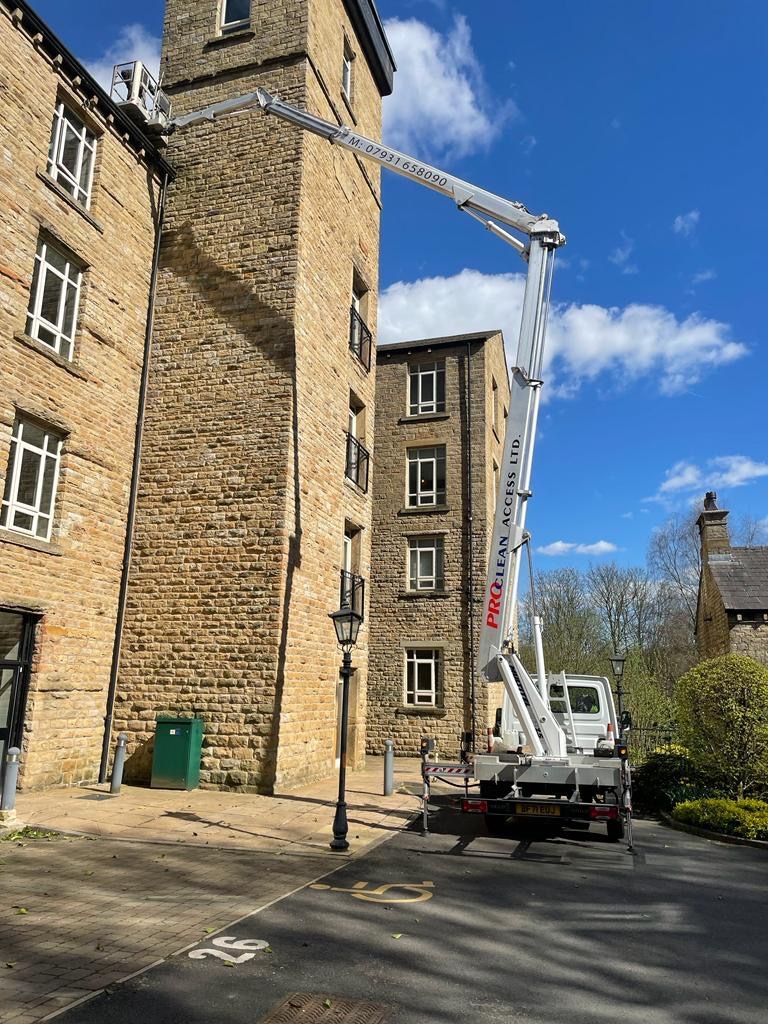
The Work at Height Regulations 2005 apply to anyone who commissions or carries out work at height - including property owners and managing agents who hire contractors. Understanding the basics ensures you hire compliant contractors and avoids liability exposure if something goes wrong.
What the Regulations Cover
The Work at Height Regulations 2005 (SI 2005/735) came into force on 6 April 2005 and implement the EU Temporary Work at Height Directive in Great Britain. They apply to all work at height where there is a risk of a fall liable to cause personal injury - there is no minimum height threshold.
The Regulations place duties on:
- Employers - responsible for ensuring their employees work safely at height
- The self-employed - responsible for their own compliance
- "Any person who controls the way in which work at height is carried out" - this extends duty of care to clients, principal contractors and managing agents who commission the work, not just the person performing it
The Three Core Requirements
Regulation 4 sets out the hierarchy of obligations for work at height:
- Avoid work at height where reasonably practicable - if the task can be done from the ground safely, it should be. For most building maintenance tasks, this is not possible.
- Prevent falls where work at height cannot be avoided - use work equipment or other measures to prevent falls. Powered access platforms (MEWPs) are the preferred solution for exterior property maintenance because they provide a fully guarded working platform, unlike ladders.
- Minimise the distance and consequences of falls if they cannot be prevented - fall arrest equipment, safety nets and similar measures as a last resort.
Competence Requirements
Regulation 5 requires that work at height is carried out only by persons with the competence, training and experience appropriate to the task. For powered access platform operation, competence is demonstrated by IPAF PAL card certification - the industry standard for MEWP operators in the UK.
This competence requirement applies regardless of the nature of the job: a contractor cleaning gutters from a cherry picker is performing work at height and must be competent to operate the platform safely, not merely competent at cleaning gutters.
What Property Owners and Managers Must Do
If you are a property owner, managing agent or facilities manager commissioning work at height, the Regulations place the following practical obligations on you:
- Satisfy yourself that the contractor is competent - this means asking for and checking IPAF certification, not simply accepting a contractor's assurance that they are "experienced."
- Ensure the work is properly planned - the contractor should be able to confirm the access method and the safety measures in place before the job starts.
- Not direct or pressure contractors to work in ways that compromise safety - if a contractor identifies a safety issue with the planned access method, they must be free to resolve it without commercial pressure from the client.
Ladders vs Powered Access Platforms
The Regulations and accompanying HSE guidance make clear that ladders should not be used as a working platform - they are access equipment for reaching a working position, not a platform from which to carry out sustained maintenance work. A contractor cleaning a full gutter run from a ladder is, strictly speaking, not working in compliance with the Regulations' preference hierarchy.
Powered access platforms - cherry pickers, spider lifts, scissor lifts - provide a fully guarded work platform with collective fall protection (the guardrails of the basket) built in. This places them firmly in the "prevent falls" tier of the hierarchy, making them the appropriate equipment for most exterior building maintenance work at height.
Liability If Things Go Wrong
If a contractor suffers an injury while working at height on your property, and it can be shown that the client (you) required or pressured the contractor to work in a manner that contributed to the accident - or failed to ask reasonable questions about competence and method - you may share liability even if you did not perform the work yourself.
Using an IPAF-certified contractor who operates their own equipment, carries appropriate insurance and plans each job properly before starting is not just best practice - it is the practical standard that demonstrates due diligence as a commissioning client under the Regulations.
ProClean Access and the Regulations
Every job carried out by ProClean Access is planned in advance - Kris assesses the site, the access requirements and any hazards before work begins. All work is carried out from an IPAF-certified access platform by a PAL-card-holding operator. We carry £10 million public liability insurance. Certification and insurance documentation is available on request for clients who maintain contractor records - including managing agents, schools, housing associations and commercial property companies.
Hire a contractor who meets the Work at Height Regulations - IPAF certified, fully insured and every job properly planned before starting.
Get a Quote Call 07931 658090